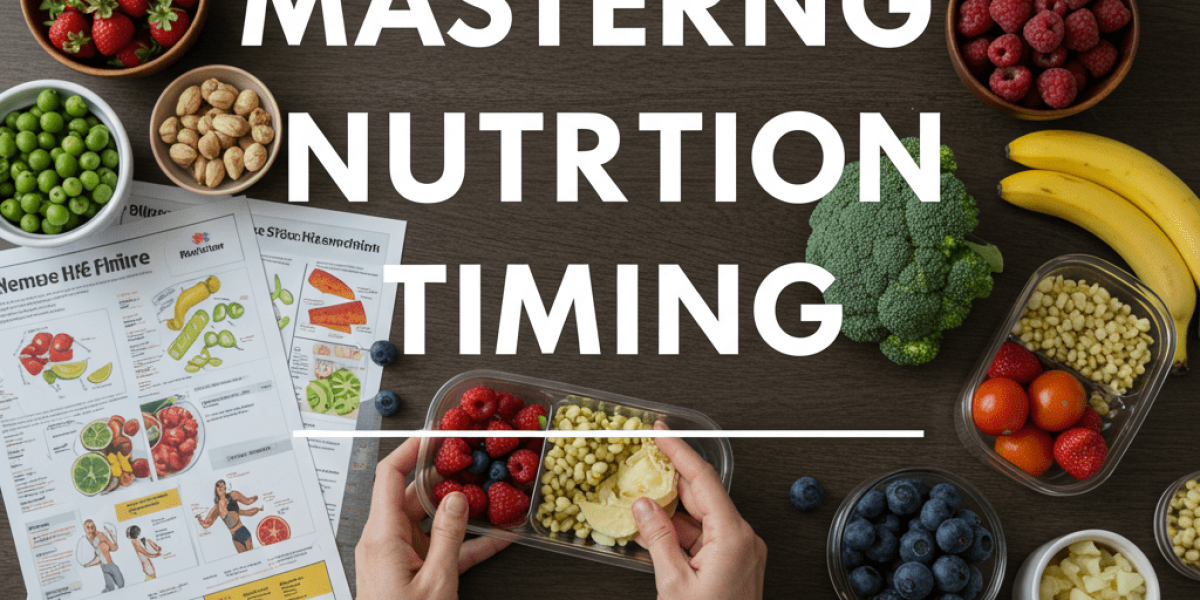
Are you maximizing your workouts at Fitness Factory KC in Overland Park, Kansas? You’re hitting the gym consistently, pushing your physical limits, but are you fueling your body correctly for peak performance? Nutrition timing, the strategic planning of your meals around your exercise routine, is a crucial yet often overlooked aspect of achieving your fitness goals and body transformation. It’s not just what you eat, but when you eat it that can significantly impact your athletic performance, muscle recovery, and overall fitness results.
This comprehensive guide will explore nutrition timing in fitness, meal timing in fitness, and the importance of strategic meal planning. We’ll provide expert nutrition timing tips, help you understand meal timing for workouts, and answer the common questions: what should I eat before a workout and what should I eat after a workout for maximum gains.

Why Is Meal Timing Important in Fitness and Weight Loss?
Think of your body as a high-performance machine designed for optimal function. Just like a sports car needs premium fuel at precise intervals, your body requires specific nutrients at strategic moments to perform at its athletic best. Nutrition timing optimization enhances your energy levels, supports muscle growth and repair, and minimizes muscle breakdown while promoting fat loss.
By strategically timing your meals around your training schedule, you can:
Boost energy levels and endurance: Proper pre-workout nutrition ensures you have sustained fuel to power through intense training sessions at Fitness Factory KC, whether you’re doing strength training, cardio workouts, or high-intensity interval training.
Enhance muscle protein synthesis: Post-workout nutrition provides essential building blocks for muscle repair and growth, maximizing the benefits of your resistance training and helping you achieve lean muscle mass.
Reduce muscle soreness and inflammation: Strategic nutrient intake minimizes muscle damage and inflammation, leading to faster recovery times and less post-workout discomfort, allowing for more consistent training.
Improve body composition and fat burning: Optimizing nutrient timing helps you burn stubborn fat while building lean muscle mass, leading to a more sculpted physique and improved metabolic health.
At Fitness Factory KC, we believe in a holistic approach to fitness transformation, and sports nutrition is a cornerstone of that philosophy. Our expert personal trainers in Overland Park can help you create a personalized nutrition plan that complements your workout routine and leverages the power of meal timing strategies. We offer personal training, small group fitness, online personal training, and contest prep services to help you reach your body goals.
Understanding Pre- and Post-Workout Nutrition Science
Pre-workout nutrition and post-workout nutrition are the two fundamental pillars of nutrition timing in fitness. Each plays a distinct role in optimizing your exercise performance and recovery process. This connects to our other educational resources, including “Macronutrients 101,” “The Big 3: Why Are Proteins, Amino Acids, and Multivitamins Important?” “Fuel Your Fitness Journey: How to Meal Plan Like a Pro,” and “How to Optimize Exercise Recovery.”
Pre-workout nutrition strategy: This focuses on providing your body with readily available energy sources to fuel your workout intensity. Think of it as optimizing your glycogen stores before demanding physical activity.
Post-workout nutrition protocol: This emphasizes replenishing your energy stores and providing the essential building blocks for muscle repair, growth, and adaptation. It’s the critical window for maximizing your training adaptations.
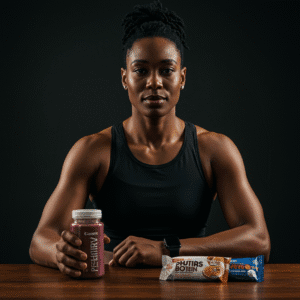
What to Eat Before a Workout for Maximum Performance
Your pre-workout meal should be easily digestible and rich in complex carbohydrates to provide sustained energy release. A moderate amount of high-quality protein can also be beneficial to prevent muscle breakdown during your training session. Here are some proven pre-workout meal ideas:
Oatmeal with fruit and protein powder: A classic pre-workout choice providing sustained energy release and muscle-protecting protein for endurance and strength training.
Greek yogurt with berries and honey: A light, refreshing option that offers fast-digesting carbohydrates, complete protein, and powerful antioxidants for cellular protection.
Banana with natural peanut butter: A quick, convenient option providing balanced carbohydrates and healthy fats for sustained energy without digestive stress.
Whole-wheat toast with avocado: An excellent source of complex carbohydrates and healthy monounsaturated fats for long-lasting energy during extended workouts.
Remember, the timing of your pre-workout meal is crucial for digestive comfort and energy availability. Aim to consume it 1-3 hours before your workout, depending on your individual digestive system and meal size.
What to Eat After a Workout for Optimal Recovery
Your post-workout meal should prioritize high-quality protein to stimulate muscle protein synthesis and carbohydrates to rapidly replenish depleted glycogen stores. Here are some science-backed post-workout meal ideas:
Protein shake with fruit: A convenient, fast-absorbing way to deliver essential amino acids and carbohydrates to your muscles for rapid recovery and growth.
Grilled chicken breast with sweet potato: A balanced, whole-food meal providing complete protein and complex carbohydrates for sustained recovery and muscle building.
Wild-caught salmon with brown rice: A nutrient-dense option rich in protein, omega-3 fatty acids, and complex carbohydrates for comprehensive recovery support.
Lean grass-fed beef with quinoa: Another excellent source of complete protein and complex carbohydrates with additional micronutrients for optimal health.
Consume your post-workout meal within the 30-60 minute post-exercise window for optimal nutrient uptake and recovery acceleration.
Common Myths of Nutrition Timing in Fitness
There are numerous misconceptions surrounding nutrition timing in fitness. Let’s debunk the most persistent myths:
Myth: You must eat immediately after your workout to maximize muscle growth. While post-workout nutrition is important, the “anabolic window” isn’t as narrow as previously thought. Focus on consuming a protein-rich meal within a few hours after your workout for optimal results.
Myth: Carbohydrates are the enemy of fat loss. Complex carbohydrates are essential for providing energy for high-intensity workouts and replenishing glycogen stores after exercise. Choose nutrient-dense, complex carbohydrates over processed simple sugars.
Myth: Fasted training always burns more fat. While some research suggests potential benefits of fasted cardio, it’s not suitable for everyone and can lead to decreased performance and muscle breakdown in many individuals.
At Fitness Factory KC, our certified trainers help you separate fact from fiction and develop evidence-based nutrition strategies tailored to your specific goals.

Special Considerations for Fitness Nutrition Timing
Individual nutritional needs vary significantly based on multiple factors. Workout intensity, specific training goals, body composition, and individual metabolism all influence your optimal nutrition timing strategy.
Morning vs. Evening Workouts: If you train in the morning, you might benefit from a lighter pre-workout meal and a more substantial post-workout meal. For evening training sessions, you might need a more balanced pre-workout meal and a smaller post-workout meal to avoid sleep disruption.
Hydration Strategies: Proper hydration is crucial for exercise performance and recovery optimization. Drink adequate water throughout the day, especially before, during, and after your training sessions to maintain optimal cellular function.
Supplementation Considerations: While whole foods should form the foundation of your sports nutrition plan, certain supplements like whey protein powder, creatine, or branched-chain amino acids can be beneficial for specific individuals. Always consult with a healthcare professional or registered dietitian before adding supplements to your regimen.
Workout Intensity Modifications: Higher intensity training sessions may require increased carbohydrate intake both pre- and post-workout. Lower intensity activities may benefit from a more balanced approach incorporating protein, carbohydrates, and healthy fats.
Fitness Factory KC: Your Partner in Fitness Success
At Fitness Factory KC in Overland Park, Kansas, we’re more than just a premium fitness facility; we’re a supportive community dedicated to helping you achieve lasting fitness transformation. Our state-of-the-art equipment, expert personal trainers, and personalized nutrition guidance provide you with all the tools necessary for sustainable success.
We offer comprehensive services including personal training, contest prep, small group training, online personal training, flexible gym memberships, and corporate wellness programs. We believe that combining effective, science-based workouts with strategic nutrition timing is the key to unlocking your full physical potential and achieving lasting results.
Ready to take your fitness journey to the next level with professional guidance? Contact Fitness Factory KC today to learn more about our training programs and comprehensive nutrition services. Let us help you fuel your transformation and achieve the results you’ve always envisioned!
We’ll help you master nutrition timing in fitness, understand meal timing in fitness, and recognize the importance of strategic fitness meal timing. We’ll guide you with proven nutrition timing tips, help you understand optimal meal timing for workouts, and provide definitive answers to common questions: what should I eat before a workout and what should I eat after a workout for maximum results.
Join the Fitness Factory KC family today and experience the transformative difference that proper training and nutrition timing can make in your fitness journey!
Call us at (913) 395-9015 or email us at contact@fitnessfactorykc.com