Nutrition timing is the practice of eating specific nutrients at planned points around your training session. It decides how much force you produce on the gym floor, how fast you recover, and how much of your work turns into muscle. You can train hard at Fitness Factory KC in Overland Park and still stall if your fuel arrives at the wrong time. What you eat matters most. When you eat it decides how well that food gets used.
Most articles on meal timing for workouts sell you a 30 minute panic window. The research says something calmer. The International Society of Sports Nutrition reports that the anabolic effect of a training session lasts at least 24 hours, though it fades as the hours pass. So timing is a lever, not a trap. This guide shows you how to pull that lever. You get the numbers, the food lists, the biomechanics behind each rule, and the mistakes our coaches correct every week in Overland Park.
Nutrition Timing in 60 Seconds
| Question | Short answer |
|---|---|
| When should I eat before training? | A full meal 2 to 3 hours out. A small snack 30 to 60 minutes out. |
| What should that meal contain? | Mostly carbohydrate, 20 to 40 g protein, low fat, low fiber. |
| When should I eat after training? | Within about 2 hours. Sooner if you trained fasted. |
| How much protein per meal? | 0.25 to 0.40 g per kg of body weight, or 20 to 40 g. |
| How often should protein arrive? | Every 3 to 4 hours across the day. |
| Does the 30 minute window exist? | It is real but wide. Think hours, not minutes. |
| What matters more than timing? | Total daily protein and total daily calories. |
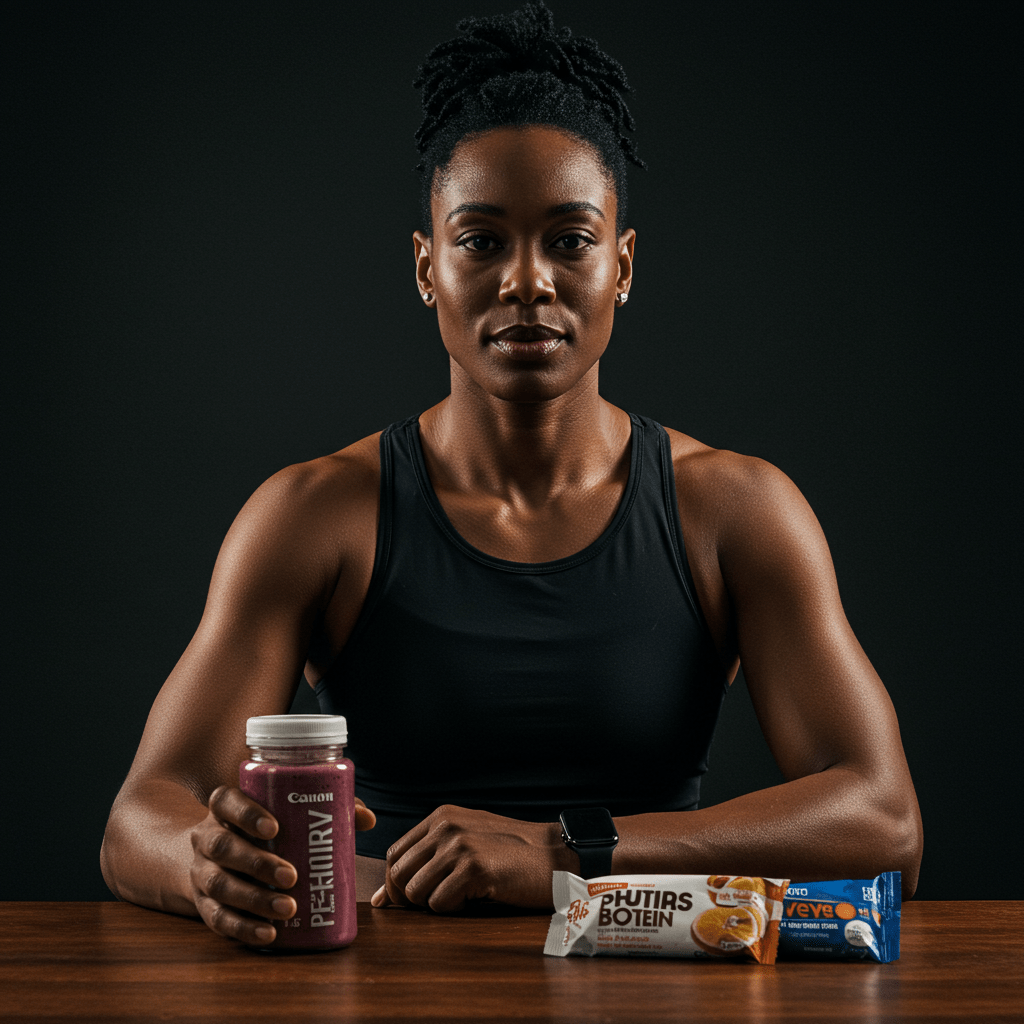
Nutrition timing is a scheduling method. You place carbohydrate, protein, fluid, and electrolytes at the points where your body can use them best. Three windows matter: the pre workout window, the training window itself, and the recovery window.
Each window solves a different problem.
- Pre workout nutrition raises blood glucose and tops off muscle glycogen so you can hold intensity late in a session.
- Intra workout nutrition protects blood sugar during long or heavy sessions.
- Post workout nutrition refills glycogen and delivers amino acids for muscle protein synthesis, the process that builds new muscle tissue.
Glycogen is the stored form of carbohydrate inside muscle and liver. It is your main fuel above roughly 65 percent of your maximum effort. Every hard set of squats, every interval, every drop set draws from that tank.
Why Timing Changes What Happens Under the Bar
This is where timing stops being a diet topic and becomes a mechanics topic.
Muscle force comes from cross bridge cycling inside the muscle fiber. That process runs on ATP. When muscle glycogen drops, ATP resynthesis slows, and your nervous system responds by lowering motor unit recruitment. You feel it as a heavy bar and a slow rep.
Bar speed is the first thing to fall. Depleted lifters lose velocity on the concentric phase before they lose the ability to finish the set. Slow reps mean less mechanical tension per set, and mechanical tension is the primary driver of hypertrophy.
Form breaks next. A fatigued glute or hamstring stops holding the pelvis in place. The lumbar spine picks up the load it was never meant to carry. Fueled athletes hold position deeper into a set, which keeps torque at the hip and knee instead of the low back.
Recovery between sets shortens. Phosphocreatine restores faster when blood glucose is stable, so set three looks more like set one.
Fueling is not only about how you feel. It is about how you move.
Pre Workout Nutrition: What to Eat Before a Workout
Your pre workout meal has one job. Deliver available energy without sitting in your stomach.
Two rules control that. Fat and fiber slow gastric emptying, so keep both low close to training. The larger the meal, the more lead time it needs.
Pre Workout Timing Chart
| Time before training | Meal size | What to eat | Example |
|---|---|---|---|
| 3 to 4 hours | Full meal | Carbohydrate, lean protein, some fat | Chicken, rice, vegetables |
| 2 to 3 hours | Moderate meal | Carbohydrate plus 20 to 40 g protein, low fat | Oatmeal, egg whites, banana |
| 60 to 90 minutes | Small meal | Fast carbohydrate, moderate protein | Greek yogurt with berries and honey |
| 30 to 45 minutes | Snack or liquid | Simple carbohydrate, easy protein | Rice cake with jam, whey shake |
| Under 20 minutes | Liquid only | Sports drink or half a shake | Diluted whey and juice |
Pre Workout Meal Ideas That Sit Well
- Oatmeal with sliced banana and a scoop of whey protein
- Greek yogurt with berries and honey
- Rice cakes with jam and lean turkey
- White rice with chicken breast and a pinch of salt
- Cream of rice with whey for early morning lifters
Peanut butter and avocado get recommended everywhere. Both are good foods. Both are high in fat, which means they belong 3 or more hours out, not 30 minutes before a leg session.
Training Early in the Morning
Some members train at 5 a.m. and cannot stomach a meal. Do not force one. Take 20 to 30 g of whey or a serving of easy carbohydrate 15 to 20 minutes before you lift. Fasted training is an option for lower intensity cardio. For heavy strength work, it usually costs you reps.
During Training: The Window Most Lifters Skip
Sessions under 60 minutes need water and nothing else.
Longer or harder sessions change the math. Once you pass 75 to 90 minutes, or when you run two sessions in one day, 30 to 60 g of carbohydrate per hour keeps blood glucose steady and protects your work rate. Sip it. A sports drink or a scoop of highly branched cyclic dextrin works well. Contest prep clients and endurance athletes see the biggest return here.
Post Workout Nutrition: What to Eat After a Workout
Training breaks down muscle protein and drains glycogen. The post workout meal reverses both.
Protein is the priority. Aim for 0.25 to 0.40 g per kg of body weight, which lands most people at 20 to 40 g. Choose a source rich in leucine, the amino acid that switches on muscle protein synthesis. A dose containing 700 to 3000 mg of leucine covers it. Whey, eggs, dairy, chicken, beef, and fish all qualify.
Carbohydrate comes next. It refills glycogen and blunts the stress response after a hard session. If you have more than 4 hours before your next session, a normal meal is fine. If you train twice in one day, push carbohydrate toward 1 to 1.2 g per kg in the first hour.
Post Workout Meal Ideas
| Meal | Protein | Carbohydrate | Best for |
|---|---|---|---|
| Whey shake with a banana | 25 to 30 g | 30 g | Rushed schedules, fasted training |
| Chicken breast with jasmine rice | 40 g | 60 g | Muscle gain, heavy lifting days |
| Salmon with potatoes | 35 g | 45 g | Recovery days, joint health |
| Lean ground beef with quinoa | 35 g | 40 g | Iron, zinc, and creatine intake |
| Low fat chocolate milk | 16 g | 26 g | Two a day training, teens, athletes |
The Truth About the Anabolic Window
Here is the correction almost every gym still needs.
The old rule said you had 30 to 45 minutes after your last rep before the window slammed shut. Research from Schoenfeld and Aragon reframed that. The post exercise period is measured in hours. Your pre workout meal is the deciding factor. Eat a solid meal 2 hours before training and you are still absorbing it while you train, so post workout urgency drops.
Urgency rises in three cases:
- You trained fasted.
- You train again within 8 hours.
- Your session was long endurance work over 90 minutes.
Outside those cases, eat within about 2 hours and stop watching the clock.
Protein Distribution: The Part That Beats Timing
Total daily protein predicts muscle growth better than any single meal. Set that first.
| Goal | Daily protein | Per meal | Meal spacing |
|---|---|---|---|
| Fat loss with muscle retention | 2.0 to 2.4 g per kg | 0.4 g per kg | Every 3 to 4 hours |
| Muscle gain | 1.6 to 2.2 g per kg | 0.4 g per kg | Every 3 to 4 hours |
| General health and fitness | 1.2 to 1.6 g per kg | 25 to 30 g | Every 4 to 5 hours |
A 180 pound member weighs about 82 kg. At 1.8 g per kg, that is roughly 148 g of protein per day, split into four meals of about 37 g. Simple math, real results.
Casein before bed is worth adding. A 30 to 40 g dose raises overnight muscle protein synthesis without blocking fat use. Cottage cheese or a casein shake both work.
Timing by Goal
Fat loss. Total calories decide the outcome. Timing helps you protect training quality and control hunger. Put more of your carbohydrate around your workout and keep protein high at every meal.
Muscle gain. Carbohydrate around training supports volume, and volume drives growth. Do not train hard on an empty tank if size is the goal.
Contest prep. This is where timing earns its keep. Carbohydrate placement, sodium, and water become tools for both performance and stage look. Shavane coaches this directly, with J3 University bodybuilding certification behind the plan.
Strength. Full glycogen supports the nervous system during heavy singles and triples. Eat a real meal 2 to 3 hours out.
Morning Training Versus Evening Training
Morning lifters wake up with lower liver glycogen after an overnight fast. Core body temperature also sits lower, so joints feel stiff and tissue is less compliant. A small carbohydrate feed plus a longer warm up fixes most of that.
Evening lifters have a full day of food behind them. Core temperature peaks in the late afternoon, which is why many people hit personal records then. Keep the pre workout meal moderate so you are not lifting on a heavy stomach. Keep the post workout meal moderate too, since a huge late meal can disturb sleep, and sleep is where growth hormone release and tissue repair happen.
Hydration and Electrolytes
Fluid loss of just 2 percent of body weight lowers strength output and raises perceived effort.
- Drink 5 to 7 ml per kg of body weight about 4 hours before training.
- Sip 400 to 800 ml per hour during training, more in summer heat.
- Add sodium if you sweat heavily or train in long sessions.
- After training, replace about 1.5 liters for every kilogram of body weight lost.
Muscle cramps are usually a sodium and fatigue problem, not a magnesium deficiency.
Supplements Worth Timing
Whole food comes first. These four have real evidence behind them.
| Supplement | Dose | Timing that matters |
|---|---|---|
| Whey protein | 20 to 40 g | Around training or any meal you cannot cook |
| Creatine monohydrate | 3 to 5 g daily | Any time of day. Consistency beats timing. |
| Caffeine | 3 to 6 mg per kg | 45 to 60 minutes before training |
| Casein | 30 to 40 g | Before sleep |
Talk with your physician or a registered dietitian before you start anything new, especially if you take medication or are pregnant.
Nutrition Timing Myths, Corrected
| Myth | What the evidence shows |
|---|---|
| You must eat within 30 minutes of training | The window runs for hours. Your pre workout meal widens it. |
| Carbohydrates block fat loss | Calories decide fat loss. Carbohydrate fuels the training that protects muscle. |
| Fasted cardio burns more fat overall | It shifts fuel use during the session, not total fat loss across the week. |
| Protein above 30 g per meal is wasted | Larger doses are still used. The extra protein is oxidized or used elsewhere. |
| Eating late at night causes fat gain | Total intake causes fat gain. Late protein can help recovery. |
| More protein always means more muscle | Growth plateaus near 2.2 g per kg. Training stimulus takes over from there. |
A Sample Training Day
Here is a full day for an 82 kg member who lifts at 6 p.m.
| Time | Meal | Purpose |
|---|---|---|
| 7:00 a.m. | Eggs, oats, berries | 40 g protein to open the day |
| 11:00 a.m. | Chicken, rice, vegetables | Steady fuel, second protein dose |
| 3:30 p.m. | Greek yogurt, honey, fruit | Third dose, carbohydrate for the session |
| 5:15 p.m. | Rice cake, whey shake | Fast fuel with low digestive load |
| 6:00 p.m. | Training | Water throughout |
| 7:30 p.m. | Steak, potatoes, greens | Recovery meal, glycogen and amino acids |
| 10:00 p.m. | Casein or cottage cheese | Overnight muscle protein synthesis |
Four to five feeds. Nothing exotic. That is what a working plan looks like.
Frequently Asked Questions
Should I train fasted to lose weight faster?
No. Fat loss follows your weekly calorie balance. Fasted training can lower your output, and lower output means less muscle retained.
Is a protein shake better than whole food after training?
It is faster, not better. Use whey when you have no time to cook. Use whole food when you do.
Can I eat the same way on rest days?
Keep protein the same. Lower carbohydrate slightly if fat loss is the goal. Muscle repair continues for days after a hard session.
How long before a workout should I stop eating?
Stop solid, higher fat food about 2 hours out. Liquids and simple carbohydrate can go in much closer.
Does nutrition timing matter for beginners?
Less than consistency does. Hit your daily protein and calories first. Add timing once those are steady.
Train and Fuel in One Place: Fitness Factory KC
Fitness Factory KC is a 24 hour gym in Overland Park, Kansas, just off 103rd Street. We serve members across the Kansas City metro, including Leawood, Lenexa, and Shawnee.
Owner and head coach Shavane Morrison brings more than seven years of coaching to every plan. He is certified through NASM and NCSF, holds a bodybuilding coaching certification from J3 University, specializes in women’s fitness and Pilates on mat and reformer, and uses Rock Tape credentials in IASTM, cupping, and taping for recovery work. His academic background is in Health and Physical Education.
Our approach is simple. Assess first, then load. Every client starts with an assessment and leaves with a written training and nutrition plan.
We offer:
- Personal training in Overland Park
- Small group and semi private training
- Online personal training through the Fitness Factory KC app
- Contest prep coaching
- 24 hour gym memberships
- Corporate wellness programs
Meal plans, progress tracking, and direct chat with your coach all run through our app, so your nutrition timing plan travels with you.
Call (913) 395-9015 or email contact@fitnessfactorykc.com to book a tour or claim your kickstart session. Bring your goal. We will build the plan around it.