
The best back exercises are pull ups, lat pulldowns, chest supported rows, barbell rows, one arm dumbbell rows, seated cable rows, straight arm pulldowns, Romanian deadlifts and face pulls. Vertical pulls such as pull ups and pulldowns build back width through the lats. Horizontal rows and hip hinges build back thickness through the mid back, traps and spinal erectors.
A complete back workout includes at least one vertical pull and one horizontal row, using 4 to 5 exercises and about 14 to 16 hard sets per week split across two sessions. Pull your elbows toward your hips to target the lats, and squeeze your shoulder blades together on rows to target the mid back. Without a pulldown machine, the best lat pulldown alternatives are pull ups, assisted pull ups, single arm cable pulldowns and band pulldowns. At Fitness Factory KC in Overland Park, we program back days around both width and thickness.
Back Anatomy: What Each Muscle Does
| Muscle | Main job | Best trained by | Builds |
|---|---|---|---|
| Latissimus dorsi (lats) | Pulls the upper arm down and back toward the hip | Pull ups, pulldowns, pullovers | Width |
| Teres major | Assists the lats in pulling the arm down | Pulldowns, rows | Width |
| Rhomboids and middle traps | Pull the shoulder blades together | Rows with a full squeeze | Thickness |
| Upper traps | Elevate the shoulder blades | Shrugs, carries | Upper back mass |
| Lower traps | Pull the shoulder blades down | Face pulls, Y raises | Shoulder health |
| Rear delts | Pull the upper arm back | Face pulls, wide rows | Upper back detail |
| Spinal erectors | Keep the spine extended under load | Deadlifts, Romanian deadlifts | Lower back thickness |
The lats are the largest muscle in the upper body. Their fibers run from the pelvis and lower spine up to the upper arm. That is why the best lat exercises pull your elbows down toward your hips, not just back toward your ribs.
The 10 Best Back Exercises
Best Back Exercises for Width
- Pull up. The most complete bodyweight back exercise. Start each rep from a full hang to load the lats in their stretched position, then drive your elbows toward your hips.
- Lat pulldown. Lets you control the load precisely and train in higher rep ranges. Lean back slightly and pull the bar to your upper chest.
- Single arm cable pulldown. Allows a longer range of motion and lets you match the line of pull to your lat fibers by pulling toward your hip.
- Straight arm pulldown. Removes the biceps and isolates shoulder extension, the lats’ main job. Excellent as a finisher.
Best Back Exercises for Thickness
- Chest supported row. The chest pad removes lower back fatigue, so you can push your mid back hard. Pause each rep with your shoulder blades squeezed.
- Barbell row. A heavy compound row that trains the whole back and the spinal erectors. Keep your torso angle fixed across every rep.
- One arm dumbbell row. Allows a long stretch at the bottom and works each side independently, which exposes imbalances.
- Seated cable row. Constant cable tension through the whole range. Use a neutral grip for the mid back or a wide grip for the upper back and rear delts.
- Romanian deadlift. Trains the spinal erectors, glutes and hamstrings together. Our guide on how to deadlift with proper form covers the setup.
- Face pull. Builds the rear delts and lower traps that keep your shoulders healthy and your posture upright.
Does Grip Width Matter on Pulldowns?
Less than most lifters think. In a study comparing narrow, medium and wide grips on the lat pulldown, lat activation was similar across all three over the full movement. Lifters handled more weight with narrow and medium grips than with the wide grip (Andersen et al., 2014). The researchers concluded that grip widths between one and two times shoulder width likely produce similar muscle activation.
In practice, choose the grip that lets you use a full range of motion without shoulder discomfort. A medium grip is a strong default. Grip strength also limits many pulling sessions, so read our guide to grip and forearm strength if your hands give out before your back.
Lat Pulldown Alternatives
No pulldown machine, or want variety? These lat pulldown alternatives train the same shoulder adduction pattern.
| Alternative | Equipment | Best for |
|---|---|---|
| Pull up or chin up | Pull up bar | Lifters who can do 5+ clean reps |
| Assisted pull up | Assisted machine or band | Beginners building toward pull ups |
| Kneeling single arm cable pulldown | Cable station | Long range of motion, one side at a time |
| Straight arm pulldown | Cable or band | Isolating the lats without biceps |
| Band pulldown | Resistance band and anchor | Home or hotel workouts |
| Dumbbell pullover | Bench and dumbbell | Loading the lats in a deep stretch |
Two Complete Back Workouts
Back Workout A: Width Focus
| Exercise | Sets × reps | Rest |
|---|---|---|
| Pull up or lat pulldown | 4 × 6 to 10 | 2 to 3 min |
| Chest supported row | 3 × 8 to 12 | 2 min |
| Single arm cable pulldown | 3 × 10 to 12 per side | 90 s |
| Straight arm pulldown | 2 × 12 to 15 | 60 s |
| Face pull | 2 × 15 to 20 | 60 s |
Back Workout B: Thickness Focus
| Exercise | Sets × reps | Rest |
|---|---|---|
| Barbell row | 4 × 6 to 8 | 2 to 3 min |
| Lat pulldown, medium grip | 3 × 8 to 12 | 2 min |
| One arm dumbbell row | 3 × 10 per side | 90 s |
| Seated cable row, wide grip | 2 × 12 | 90 s |
| Dumbbell shrug | 2 × 12 to 15 | 60 s |
Run both workouts each week, two to four days apart. That gives you about 14 to 16 hard sets for your back per week, which suits most intermediate lifters. Beginners can start with one of these workouts plus rows in a full body session. Rest periods matter on heavy rows, so read how long to rest between sets for the details.
Technique Cues That Build a Bigger Back
- Start with the elbows. Think of your hands as hooks and pull with your elbows. This shifts work from the biceps to the back.
- Control the stretch. Let your shoulder blades move forward at the bottom of rows and up at the top of pulldowns. A full stretch loads the muscle through its longest position.
- Pause at contraction. A one second squeeze stops momentum from doing the work.
- Keep your torso still. Excess swinging turns a back exercise into a hip exercise. Our article on why exercise quality is important explains how small form changes alter muscle tension.
Train Your Back at Fitness Factory KC
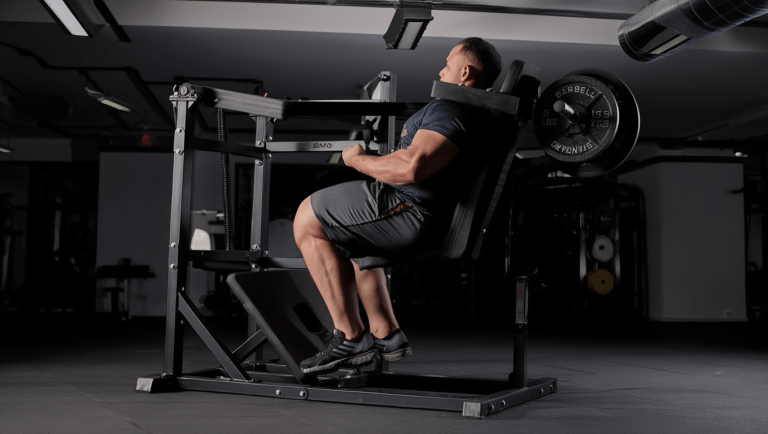
Equipment matters for back training. Machines with the right resistance profile keep tension on the lats and mid back through the full range of motion. Fitness Factory KC in Overland Park offers plate loaded and cable equipment, including Prime and Atlantis machines, alongside racks and free weights.
Owner and head coach Shavane Morrison is NASM and NCSF certified and a J3 University bodybuilding coach with more than seven years of experience building stronger backs. Learn more about our strength training coaching.
Back Exercise FAQs
What is the best single exercise for back width?
The pull up, or the lat pulldown if you cannot yet do pull ups. Both train the lats through their main job of pulling the arm down toward the body.
How many back exercises should I do in one workout?
Four or five is enough. Include at least one vertical pull and one horizontal row.
How often should I train back?
Twice per week works well for most lifters. Spread 10 to 20 weekly sets across those sessions.
Are deadlifts a back exercise?
Yes. Deadlifts and Romanian deadlifts train the spinal erectors heavily, along with the glutes and hamstrings.