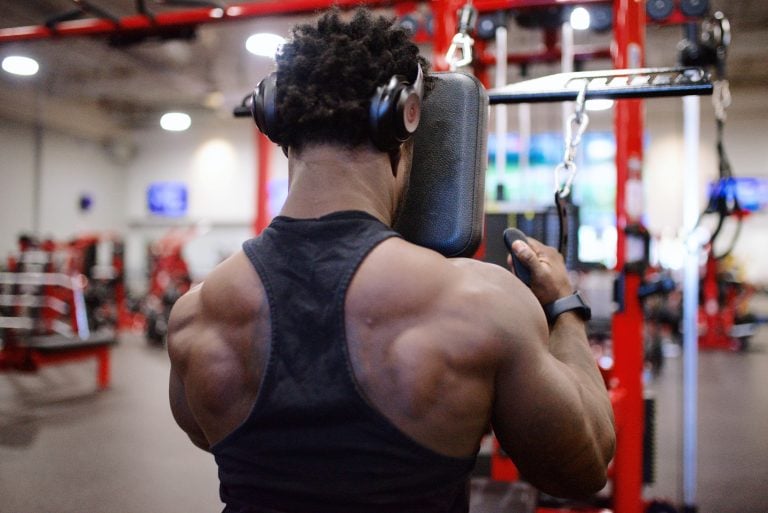
Should you do cardio before or after weights? For most people training for muscle, strength, or body composition, the answer is weights first and cardio after. Lifting first protects the force output, bar speed, and technique that resistance training depends on. Cardio done first, especially hard or long cardio, drains muscle glycogen and creates neuromuscular fatigue that carries straight into your working sets. The main exception is when endurance performance is your top priority, in which case cardio goes first.
The order matters less than most gym debates suggest. Recent meta analyses show that combining cardio and strength training does not meaningfully reduce long term muscle growth or maximal strength. What order changes is the quality of the session in front of you, and over months, session quality adds up. This guide covers the physiology behind the interference effect, what the research actually shows, and how to structure cardio and weights around your specific goal.
The short answer by goal
Your primary goal decides the order. Train the quality you care about most while you are fresh.
| Primary goal | Best order | Why it works |
|---|---|---|
| Muscle growth (hypertrophy) | Weights first, cardio after | Preserves reps at a given load, which protects total training volume |
| Maximal strength | Weights first, or cardio on a separate day | Heavy sets need full phosphocreatine stores and high motor unit recruitment |
| Power and athletic speed | Separate sessions by at least 3 hours, ideally 6 or more | Explosive strength is the quality most sensitive to same session cardio |
| Fat loss and body composition | Weights first, cardio after | Lifting preserves lean mass in a calorie deficit; energy balance drives fat loss, not sequence |
| Endurance event (5K, half marathon, cycling) | Cardio first | Your key sessions need fresh legs and full glycogen |
| General health | Either order | The routine you repeat for years beats the perfect sequence |
| Warm up only | 5 to 10 minutes of easy cardio, then lift | Raises muscle temperature without meaningful fatigue |
A short, easy warm up on the bike or treadmill is not “cardio first.” It is preparation. The order question only matters when the cardio is long enough or hard enough to create fatigue.
What the interference effect actually is
The interference effect is the idea that endurance training can blunt the strength, size, and power gains you would get from lifting alone. Robert Hickson first described it in 1980, when subjects combining heavy squats with running stopped gaining leg strength after several weeks. Three mechanisms explain it, and only one of them depends on order.
Competing molecular signals
Resistance training activates the mTORC1 pathway, the main switch for muscle protein synthesis. Endurance training activates AMPK, an energy sensor that drives mitochondrial growth through PGC 1 alpha. AMPK can suppress mTORC1 signaling in the short term. This was the original explanation for interference. In trained humans, the conflict appears smaller and shorter lived than early cell studies suggested.
Fuel depletion
A set of 6 to 15 reps relies heavily on fast glycolysis, which burns muscle glycogen. Thirty minutes of moderate to hard running or cycling can deplete a large share of glycogen in the working legs. Start a leg session with lower glycogen and you complete fewer reps at the same load. Fewer reps means less volume, and volume is a primary driver of hypertrophy.
Neuromuscular fatigue
This is the mechanism order controls most directly. Cardio creates two kinds of fatigue:
- Peripheral fatigue: hydrogen ions and inorganic phosphate accumulate inside the muscle. They impair calcium release and cross bridge cycling, so each fiber produces less force.
- Central fatigue: the nervous system reduces motor unit recruitment and firing rate. High threshold motor units, which control the large type II fibers, are the first to suffer.
Type II fibers produce the most force and have the greatest growth potential. They are exactly what heavy, explosive lifting needs. Pre fatigue them with cardio and your top sets lose load, speed, or reps.
| Mechanism | What cardio first does | Effect on your lifting |
|---|---|---|
| AMPK signaling | Raises cellular energy stress | Small, short term dampening of protein synthesis signaling |
| Glycogen depletion | Lowers fuel in working muscles | Fewer reps per set, lower session volume |
| Peripheral fatigue | Metabolite buildup in muscle fibers | Lower force per contraction |
| Central fatigue | Reduced neural drive | Lower recruitment of high threshold motor units, slower bar speed |
What the research shows
The evidence has shifted over the last decade. Interference is real, but it is smaller and more specific than gym folklore suggests.
Wilson and colleagues, 2012. This meta analysis pooled 21 studies. Strength training alone produced larger effect sizes for hypertrophy (1.23 vs 0.85) and strength (1.76 vs 1.44) than concurrent training. Running, but not cycling, caused significant losses in both. The longer and more frequent the cardio, the larger the interference.
Eddens, van Someren and Howatson, 2018. This meta analysis looked specifically at exercise order within a session. It included 10 studies lasting at least five weeks. Lifting before cardio favored gains in lower body dynamic strength, such as squat and leg press performance. Order made no measurable difference to muscle hypertrophy or static strength.
Schumann and colleagues, 2022. The largest update to date pooled 43 studies and 1,090 participants. Concurrent training did not compromise muscle hypertrophy or maximal strength compared with lifting alone. Explosive strength was the exception. It was blunted when cardio and lifting shared a session, but not when they were separated by at least three hours.
Put these together and a consistent picture forms:
- Cardio does not cancel muscle growth when total volume and recovery are managed.
- Order matters most for lower body strength and power.
- Running interferes more than cycling.
- Time between sessions reduces interference more than order does.
Why lifting first protects strength, technique and joints
Resistance training works through mechanical tension, and tension depends on how much load you can move with good mechanics for a given number of reps. That is the core of how to build muscle. Anything that lowers load, reps, or technical quality lowers the stimulus.
Volume load drops first
Volume load is sets multiplied by reps multiplied by load. If a 30 minute run costs you two reps per set across four sets of squats, you lose eight quality reps from your most productive lift. Over a 12 week block, that gap compounds. It is the same reason rest between sets matters: rest and exercise order both protect volume.
Bracing and spinal position degrade
A loaded squat or deadlift depends on intra abdominal pressure and active support from the erector spinae, obliques, and glutes. Fatigue in these muscles reduces your ability to hold a neutral lumbar position. Under a heavy bar, small losses of spinal control raise shear forces on the lower back.
Joint control and proprioception decline
Fatigued hip abductors, especially the gluteus medius, lose control of the femur. The result is knee valgus, where the knee drifts inward during squats, lunges, and step ups. Fatigue also dulls proprioception, the joint position sense that guides bar path and foot pressure.
Rate of force development slows
Rate of force development is how quickly you produce force. It depends heavily on high threshold motor units and neural drive. It is also the first quality to fade after endurance work, which explains why power and explosive strength show the clearest interference in the research.
The practical rule is simple. Put the activity that carries the most load and the most technical demand first. For nearly everyone in a strength gym, that is the barbell, not the treadmill.
When cardio should come first
Cardio first is the right call in a few specific situations. Each one follows the same principle of priority: train your most important quality when you are freshest.
- You are training for an endurance event. A runner preparing for a half marathon needs key runs done with full glycogen and good mechanics. Lifting can follow, or move to another day.
- The cardio uses different muscles than the lift. Twenty minutes on a bike before an upper body session creates little local fatigue in the chest, back, or shoulders. Central fatigue is modest if the intensity is easy.
- The cardio is light and short. Five to ten minutes at a conversational pace, roughly 3 or 4 out of 10 effort, raises muscle temperature and nerve conduction speed. That improves performance rather than hurting it.
- You will skip it otherwise. If saving cardio for the end means it never happens, do it first at an easy pace. Consistency beats optimal sequencing.
Cardio first is a poor choice before heavy lower body work, Olympic lifts, sprint training, or any session where you are chasing a personal record.
Cardio type and intensity matter more than order
Not all cardio creates the same fatigue. The type of muscle action, the impact forces, and the intensity decide how much your cardio interferes with lifting.
Running vs cycling
Running involves a strong eccentric contraction every time your foot lands. The quadriceps and calves lengthen under load to absorb ground reaction forces of roughly two to three times body weight. Eccentric loading causes more muscle damage and soreness. Cycling is mostly concentric, with no impact phase, and its knee extension pattern overlaps with squat and leg press mechanics. This is the likely reason running, but not cycling, reduced strength and size gains in the Wilson meta analysis.
Intensity and duration
Low intensity cardio, where you can hold a conversation, relies mainly on oxidative metabolism and slow twitch fibers. It costs little glycogen and recruits few high threshold motor units. Hard intervals do the opposite. Longer sessions also increase interference, so 20 minutes of easy cycling and 60 minutes of tempo running are not the same “cardio.”
| Cardio type | Main muscle action | Impact | Interference with lifting | Best placement |
|---|---|---|---|---|
| Incline treadmill walking | Low eccentric, low force | Low | Low | After any lift, or rest days |
| Stationary bike, easy | Concentric | None | Low | After lifting, or before an upper body day |
| Rowing machine | Concentric, full body pull | None | Moderate | After lifting; avoid before deadlift or back days |
| Stair climber | Concentric step up | Low | Moderate | After upper body days, not before leg day |
| Running | Eccentric on landing | High | Moderate to high | Separate session, or after upper body days |
| HIIT or sprint intervals | High force, high glycolytic demand | Varies | High | Separate day, or 6 or more hours from heavy legs |
If you lift for strength or size, easy cycling and incline walking are the most compatible forms of cardio. Save running and hard intervals for days without heavy lower body work.
Cardio before or after weights for fat loss
For fat loss, do weights first and cardio after. The reason is muscle retention, not a special fat burning window.
You may have heard that lifting first “uses up your glycogen” so the cardio that follows burns more fat. During that cardio, fat oxidation may be slightly higher. Over a full day, though, the body balances fuel use. Fat burned during one hour is offset by more fat stored at other times if you are eating at maintenance. Body fat changes over weeks follow energy balance, the gap between calories eaten and calories burned.
What order does change is your lifting performance in a calorie deficit. Dieting already reduces glycogen and recovery capacity. If cardio also cuts into your sets, the signal to keep muscle weakens. Lean mass supports resting metabolic rate and determines how you look once the fat comes off.
For fat loss, focus on these levers in this order:
- A consistent calorie deficit based on your actual needs. Start by learning how to calculate your daily calorie needs.
- Adequate protein, commonly 1.6 to 2.2 grams per kilogram of body weight per day for lifters in a deficit.
- Progressive resistance training to hold on to muscle.
- Cardio and daily steps to widen the deficit without slashing food intake.
One more myth worth clearing up: no cardio order burns belly fat specifically. Spot reduction does not work. Fat is mobilized from stores across the body, in a pattern largely set by genetics and hormones.
How to space cardio and weights across the week
Separating cardio and lifting reduces interference more than changing their order. Use the option that fits your schedule.
- Same session: lift first, then 15 to 30 minutes of cardio. Keep the cardio easy to moderate after heavy leg days.
- Same day, split sessions: leave at least 3 hours between them, and 6 or more if power or lower body strength is the priority. Eat a meal with carbohydrates and 20 to 40 grams of protein in between to restore glycogen.
- Separate days: the cleanest option for athletes who need maximal power or are training for a strength meet.
- Hard cardio placement: keep intervals and long runs away from the day before heavy squats or deadlifts.
Total weekly stress still has to be recovered from. Sleep, nutrition, and planned easy days decide whether combined training builds you up or wears you down. Our guide on how to optimize exercise recovery covers the variables that matter most.
Sample week for muscle gain plus heart health
This layout meets the general guideline of 150 minutes of moderate cardio and at least two strength days per week, while protecting lower body sessions.
| Day | Lifting | Cardio | Cardio placement |
|---|---|---|---|
| Monday | Upper body | 20 minutes incline walk | After lifting |
| Tuesday | Lower body | 10 minutes easy bike cool down | After lifting |
| Wednesday | Rest from lifting | 40 minutes easy bike or walk | Standalone |
| Thursday | Upper body | 20 minutes rowing, moderate | After lifting |
| Friday | Lower body | None | None |
| Saturday | Rest from lifting | 20 minutes bike intervals | Standalone, far from leg days |
| Sunday | Full rest | Walk if desired | Optional |
That totals 110 minutes of structured cardio, and brisk daily walking easily covers the remaining 40 minutes. For fat loss, add 10 to 15 minutes to each session or increase daily steps before adding more hard intervals.
Frequently asked questions
Is it bad to do cardio before lifting weights?
Not always. Light cardio for 5 to 10 minutes is an effective warm up. Long or hard cardio before lifting reduces strength, reps, and bar speed, especially before lower body sessions.
How long should I do cardio after weights?
For most goals, 15 to 30 minutes at an easy to moderate pace is enough. Extend it for fat loss or general fitness, but keep intensity low after heavy leg days.
Will cardio after weights kill my gains?
No. A 2022 meta analysis of 43 studies found that combining cardio and strength training did not reduce muscle growth or maximal strength compared with lifting alone. Volume, protein, and recovery matter far more.
Should I do cardio before or after weights to lose belly fat?
Do weights first, then cardio. Neither order targets belly fat directly, because spot reduction does not work. Overall fat loss comes from a sustained calorie deficit.
Can I do cardio and weights on the same day?
Yes. Lift first if they share a session. If you split them, leave at least 3 hours between sessions, and 6 or more when strength or power is your priority.
Is walking on the treadmill before lifting considered cardio first?
Only if it is long or demanding. A 5 to 10 minute easy walk or bike is a warm up. It raises muscle temperature without draining glycogen or creating meaningful fatigue.
Is cycling or running better if I also lift?
Cycling usually interferes less. It is mostly concentric with no impact, while running adds eccentric loading and ground impact that increase muscle damage.
Build the order around your goal
The best sequence is the one that matches your priority and fits a week you can repeat. At Fitness Factory KC in Overland Park, members train around the clock on a private floor with racks, bikes, rowers, and treadmills, so you can lift and condition in the order your program calls for. If you want cardio and strength work programmed together and adjusted to your progress, our personal training team builds the plan for you.
Call or text (913) 395-9015, or compare membership options to get started.