Exercise execution in fitness is the precise control of movement during a lift, and it is the single variable that decides whether a repetition builds muscle or simply burns energy. Most people track two numbers: how much they lift and how many reps they complete. Those numbers matter, but they sit on top of a deeper foundation. That foundation is execution, the quality of the movement itself.
Execution is where technique, joint alignment, joint mobility, and range of motion meet. Together, these form the biomechanics of a lift. When they align, force travels efficiently through the body, and the target muscle does the work. When they break down, the load leaks into the wrong tissues, the stimulus weakens, and injury risk climbs. Understanding these variables is how you protect your joints, sharpen your results, and keep progressing for years instead of months.
What Is Exercise Execution?
Exercise execution is the coordinated way you position, control, and move your body through a resistance exercise. It governs which muscles are recruited, how joints share the load, and how much mechanical tension reaches the tissue you are trying to grow.
Good execution has three measurable traits:
- Control. The lifter owns the weight through both the lowering and lifting phases rather than using momentum.
- Tension. The target muscle stays under load across the full movement.
- Consistency. The same movement path repeats rep after rep.
A repetition that fails these tests still costs energy and recovery. It just returns less growth. In practical terms, a poorly executed set forces you to do more sets and more reps to earn the same result, which adds fatigue and slows recovery. Execution is not a beginner concern that you outgrow. It applies to every training phase, from your first session to advanced strength work.
The Four Pillars of Exercise Execution
Four biomechanical variables drive execution. Each one influences the others, and each one is trainable.
| Pillars | What it Controls | Why it matters | How to improve it |
| Technique | Movement pattern and muscle recruitment | Directs force to the target muscle and off the joints | Reduce load, slow the tempo, film your sets |
| Joint alignment | How joints stack and share load | Distributes force evenly and protects connective tissue | Stack the working joints, cue neutral positions |
| Joint mobility | Free, smooth movement at each joint | Lets you reach clean positions without compensating | Dynamic warm-ups and targeted mobility drills |
| Range of motion | Distance a joint travels per rep | Sets total muscle stimulus and tension exposure | Train the fullest range you can control |
Technique Mastery
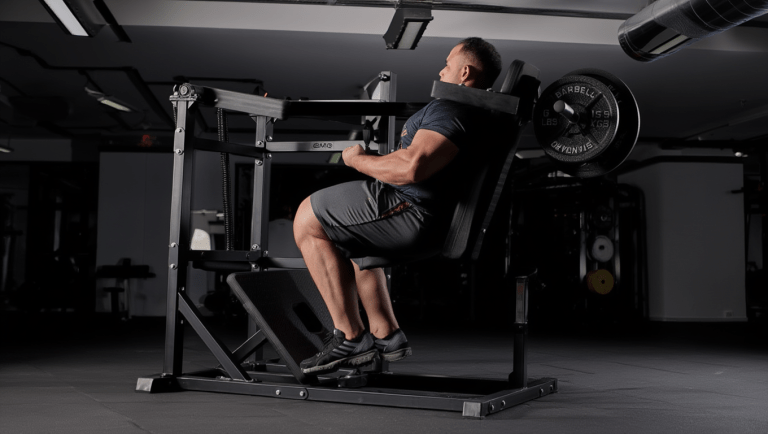
Technique is the precise movement pattern you use to optimize muscle recruitment, manage joint mechanics, and produce force while keeping needless stress off the body. Of every training principle, technique may matter most. No amount of size or strength removes the benefit of cleaner form.
The fastest way to improve technique is to check the ego. Drop your load by 20 to 25 percent, tighten your movement path, and build a stronger mind to muscle connection. This is not a step backward. It is how you make every future rep more productive. Research links poor technique to higher injury rates and links clean technique to better performance, so the trade of a little weight for a lot of quality pays off.
Whether you squat, deadlift, or press overhead, correct form is what makes the movement efficient. When the pattern is right, the intended muscle carries the work and the joints stay protected.
Joint Alignment
Joint alignment keeps the body structurally sound and spreads force evenly across the working joints. Poor alignment creates biomechanical imbalance. It loads ligaments, tendons, and joints in ways they are not built to handle, and that raises injury risk over time.
The simple cue is to stack the joints involved in the movement. Take a row. You start with the arms extended so the shoulder, elbow, and wrist line up. As you pull, the joints move into position and the arm tracks along your side. Pulling too far, past the ribcage, breaks that alignment and shifts stress onto the shoulder. Aligning the joints through the full path improves muscle engagement, makes the movement more efficient, and lowers the odds of an overuse injury.
Joint Mobility
Joint mobility is the ability of a joint to move freely and smoothly through its available range. Mobility is what lets you reach clean lifting positions in the first place. When a joint is restricted, the body compensates elsewhere, the movement pattern suffers, and biomechanical efficiency drops.
You build mobility with intent, not by accident. Useful tools include:
- Dynamic stretching before training to prepare the tissues for load
- Mobility drills that target the specific joints a lift demands, such as the hips, ankles, shoulders, and thoracic spine
- Controlled work at end range so the joint learns to produce force where it is weakest
Better mobility means cleaner positions, and cleaner positions mean better execution.
Range of Motion
Range of motion, or ROM, is the distance and direction a joint travels from a fully flexed to a fully extended position. ROM sets how much stimulus a muscle receives and how much tension it sees across a rep.
The research here is strong and specific. A systematic review and meta-analysis found that full range of motion training produced greater gains in muscle strength and greater lower body hypertrophy than partial range training. Full range work also tended to favor better functional performance. The practical heuristic that follows is straightforward: train through the longest range you can control with good technique.
There is a useful nuance. Emerging evidence shows that training a muscle at longer lengths, meaning the stretched position of the movement, can be especially effective for growth. That does not mean short, sloppy reps. It means prioritizing the range where the muscle is under load in a lengthened position. When mobility limits your available range, that is a signal to address mobility, not to accept a permanently shortened movement.

Common Execution Errors That Cost You Results
Most stalled progress traces back to a handful of repeatable mistakes:
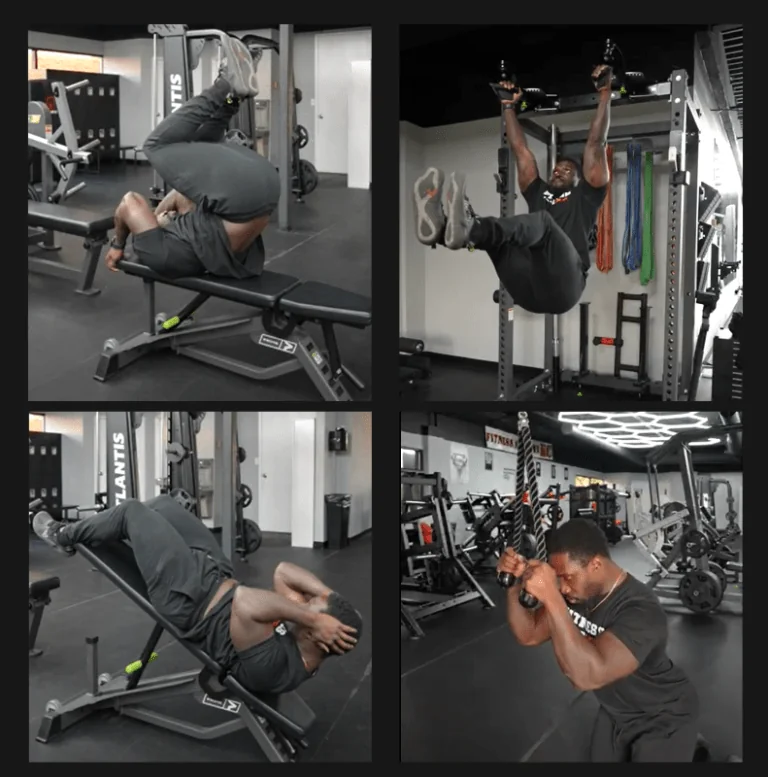
- Using momentum or body English instead of muscular control
- Chasing heavier loads before the movement pattern is stable
- Cutting range short and calling it a full rep
- Losing joint alignment at the top or bottom of a lift
- Ignoring mobility restrictions and compensating around them
Each error does the same thing. It moves tension off the target muscle, weakens the training stimulus, and raises the demand on your recovery. Fix the execution, and you often get more from less.
Why Execution Is the Foundation of Progress
The variables connect. Limited mobility shrinks your usable range of motion. A shortened range reduces the stimulus a muscle receives. Weak alignment leaks force into vulnerable joints. Loose technique lets all of it slide.
Master these fundamentals, and the payoff compounds. You recruit the right muscle, you expose it to meaningful tension, you protect your joints, and you set the stage for sustainable progressive overload. That combination is what turns effort in the gym into long-term strength, muscle, and durability.
Frequently Asked Questions
What does exercise execution mean in fitness?
Exercise execution is the quality and control of a movement during a lift. It covers technique, joint alignment, mobility, and range of motion, and it determines how effectively a rep trains the target muscle.
Is exercise execution more important than lifting heavier?
For most trainees, yes, especially early on. Clean execution directs the load to the right muscle and protects the joints, which makes added weight productive later. Load added on top of poor form mostly adds fatigue and risk.
Does full range of motion build more muscle than partial reps?
Research shows full range of motion training tends to produce greater strength and greater lower body muscle growth than partial range training. Training in the lengthened position also appears especially effective for hypertrophy.
How do I improve my exercise execution?
Reduce the load by 20 to 25 percent, slow the movement, film your sets to audit your form, stack the working joints, and add targeted mobility work so you can reach clean positions.
Can poor execution cause injury?
Yes. Poor alignment and technique concentrate force on ligaments, tendons, and joints that are not built to absorb it, which increases the risk of overuse and acute injury.
Refine Your Execution With Fitness Factory KC
Great execution is a skill, and skills are coached. At Fitness Factory KC, our certified trainers in Overland Park, KS specialize in biomechanics and technique. We help you build the form, alignment, mobility, and range of motion that turn every rep into real progress. If your training feels stuck, the fix is often in the execution.
Ready to train harder and smarter? Contact Fitness Factory KC in Overland Park to work with a coach who focuses on how you move, not just what you lift.