

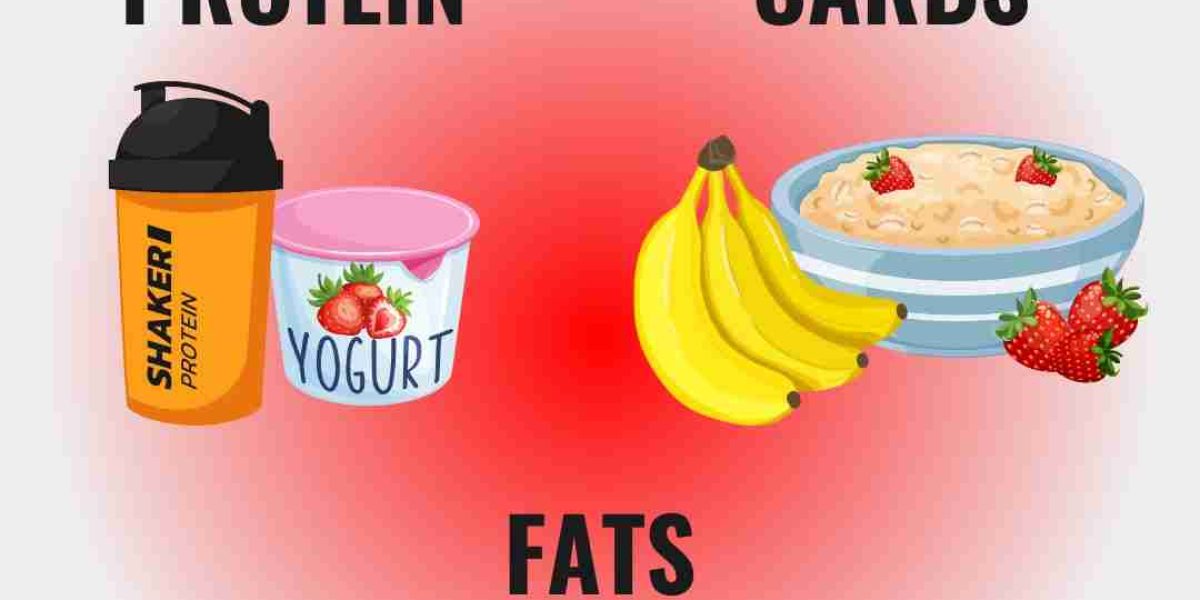
Understanding macronutrients is the foundation of every successful nutrition plan. Whether your goal is to build muscle, lose fat, or maintain a healthy body, your macronutrients decide how you perform, how you recover, and how your body changes over time. This macronutrients guide breaks down the three that matter most, protein, carbohydrates, and fats, and shows you how to calculate, track, and balance them for your goals.
At Fitness Factory KC, we treat nutrition as seriously as training. You can work hard in the gym every day, but without the right fuel, your results stall. This beginner’s guide gives you the numbers, the food sources, and the simple math to take control of your diet and get more out of every workout.
What Are Macronutrients?
Macronutrients, or “macros” for short, are the nutrients your body needs in large amounts to function. They supply the calories that power everything you do. There are three of them, and each one delivers a specific amount of energy per gram.
| Macronutrient | Primary Role | Calories per Gram | Common Sources |
|---|---|---|---|
| Protein | Builds and repairs muscle and tissue | 4 | Chicken, fish, eggs, Greek yogurt, tofu, lentils |
| Carbohydrates | Supplies your body’s main energy source | 4 | Rice, oats, potatoes, fruit, beans |
| Fats | Supports hormones, brain function, and cell health | 9 | Avocado, nuts, olive oil, salmon, seeds |
Notice that fat carries nine calories per gram, more than double protein and carbs at four each. That is why fatty foods are calorie-dense, and why a small portion goes a long way. Once you know these numbers, calculating your macros becomes straightforward.
Macros vs Micros
Macronutrients are not the only nutrients that matter, but they are the ones you eat in the largest quantities, measured in grams. Micronutrients are vitamins and minerals. Your body needs those in much smaller amounts, measured in milligrams and micrograms. Both are important. When you hit your macros using a variety of whole foods, you usually cover your micronutrients at the same time.
Why Macronutrients Matter for Health and Fitness
Getting your macros right does more than fill your plate. It shapes your results. A proper balance can:
- Boost performance. The right fuel lets you train harder and hold intensity longer.
- Support muscle growth. Adequate protein drives the repair and development of muscle tissue.
- Aid fat loss. A balance weighted toward protein supports metabolism and keeps you full.
- Improve recovery. The right nutrients help your body rebuild after demanding sessions.
Here is the point most people miss. Calories tell you how much energy you are eating. Macros tell you where that energy comes from. Two people can eat the same 2,000 calories a day, but if one gets 150 grams of protein and the other gets 60, their bodies will change in very different ways. That is why tracking macros gives you more control over body composition than counting calories alone.
Breaking Down the Three Macronutrients
1. Protein: The Building Block of Muscle
Protein is essential for muscle repair, recovery, and growth. It is made of amino acids, the building blocks your body uses to rebuild tissue after training. Protein also supports enzymes, hormones, and a healthy immune system. Each gram provides four calories.
Best sources of protein:
- Lean meats such as chicken, turkey, and lean beef
- Fish such as salmon, tuna, and cod
- Eggs and egg whites
- Greek yogurt and cottage cheese
- Plant-based options such as tofu, tempeh, and lentils
- Protein powders such as whey, casein, and plant-based blends
How much protein do you need?
| Goal | Protein per Pound of Body Weight |
|---|---|
| Muscle gain | 0.7 to 1.0 grams |
| Fat loss | 0.6 to 0.8 grams |
| Maintenance | 0.5 to 0.7 grams |
One useful fact: your body cannot store protein the way it stores carbs and fat. Spread your intake across the day, and aim for a protein source at every meal to support steady muscle repair.
2. Carbohydrates: Your Body’s Fuel Source
Carbohydrates are your body’s preferred energy source. They break down into glucose, which fuels your muscles and brain during workouts and daily activity. Glucose your body does not use right away gets stored as glycogen in the muscles and liver for later. Each gram of carbohydrate provides four calories.
Not all carbs are equal. Complex carbs from whole foods deliver fiber, vitamins, and steady energy. Simple carbs from sugary drinks and sweets spike and crash. Build your intake around the quality sources below.
Best sources of carbohydrates:
- Whole grains such as brown rice, quinoa, and whole wheat pasta
- Starchy vegetables such as sweet potatoes and regular potatoes
- Fruits such as bananas, berries, and apples
- Legumes such as beans, lentils, and chickpeas
Carbs and your goals:
- For muscle gain, a higher carb intake fuels hard training and recovery.
- For fat loss, a moderate reduction in carbs can support fat metabolism while keeping energy stable.
- For endurance athletes, carbs should make up a large share of daily intake.
3. Fats: Essential for Overall Health
Healthy fats are vital for hormone production, brain function, and the absorption of vitamins A, D, E, and K. Fat is the most calorie-dense macro at nine calories per gram, so portion control matters. Favor unsaturated fats, and keep saturated fats moderate.
Best sources of healthy fats:
- Avocados
- Nuts and seeds such as almonds, walnuts, flaxseeds, and chia seeds
- Olive oil, coconut oil, and avocado oil
- Fatty fish such as salmon, mackerel, and sardines
- Nut butters such as peanut butter and almond butter
How to Calculate Your Macros
Setting your macros comes down to four steps. Work through them in order.
Step 1: Find your daily calorie needs. Use a Total Daily Energy Expenditure, or TDEE, calculator. It estimates how many calories you burn each day based on your age, sex, height, weight, and activity level. Most calculators use the Mifflin-St Jeor equation, a widely accepted formula for this.
Step 2: Adjust for your goal. For fat loss, eat in a slight calorie deficit. For muscle gain, add a small surplus. For maintenance, stay near your TDEE.
Step 3: Choose your macro split. This is the percentage of calories that comes from each macro. Use the goal-based splits in the next section as a starting point.
Step 4: Convert percentages to grams. Multiply your calorie total by each percentage, then divide protein and carbs by 4 and fat by 9.
Here is a worked example for a 2,000-calorie day using a 30 percent protein, 40 percent carbohydrate, 30 percent fat split:
- Protein: 30 percent of 2,000 is 600 calories, divided by 4 equals 150 grams
- Carbohydrates: 40 percent of 2,000 is 800 calories, divided by 4 equals 200 grams
- Fat: 30 percent of 2,000 is 600 calories, divided by 9 equals about 67 grams
Your daily target would be 150 grams of protein, 200 grams of carbs, and 67 grams of fat.
Recommended Macro Splits by Goal
Your ideal ratio depends on your goal. These splits give you a reliable starting point, and you can adjust from there based on your results.
| Goal | Carbs | Protein | Fats |
|---|---|---|---|
| Muscle gain | 40% | 30% | 30% |
| Fat loss | 30% | 40% | 30% |
| Maintenance | 40% | 30% | 30% |
For reference, the Dietary Guidelines for Americans set broad healthy ranges of 45 to 65 percent of calories from carbs, 10 to 35 percent from protein, and 20 to 35 percent from fat. The splits above sit inside those ranges and lean toward fitness goals.
How to Track Your Macros
Tracking keeps you accountable and shows you exactly what you are eating. Here is how to do it well:
- Use a food tracking app. MyFitnessPal and Cronometer both make logging simple and do the math for you.
- Weigh your food. A digital kitchen scale removes the guesswork. Studies show most people underestimate portions without one, especially at first.
- Monitor your progress. Check your weight and how you look and feel each week, then adjust.
- Stay consistent. Track daily for the first few weeks to learn your patterns. After that, it becomes second nature.
Food Quality Still Matters
Hitting your numbers with whole foods is not the same as hitting them with processed food. Two meals can share the same macros and support your body very differently. Prioritize lean proteins, high-fiber carbs, and healthy fats. You will recover better, feel fuller, and cover more of your micronutrients while you are at it.
Common Myths About Macronutrients
Myth 1: Carbs make you fat. Excess calories cause weight gain, not carbs by themselves. Quality carbs in controlled portions fuel your training and your day.
Myth 2: You need very high protein to build muscle. Protein is essential, but more is not always better. Muscle grows best when protein is balanced with enough carbs and fats to support training and recovery.
Myth 3: Eating fat makes you fat. Healthy fats support hormones and brain function. The key is the type of fat and the portion size, not cutting fat out.
Frequently Asked Questions Related to Macronutrients
What are the three macronutrients?
The three macronutrients are protein, carbohydrates, and fats. Protein and carbs each provide four calories per gram, while fat provides nine. Together they supply all the energy your body uses each day.
How do I calculate my daily macros?
Start by finding your Total Daily Energy Expenditure (TDEE) with an online calculator. Adjust it for your goal, a slight deficit for fat loss or a small surplus for muscle gain. Then apply a macro split and convert the percentages to grams by dividing protein and carb calories by 4 and fat calories by 9.
What is the best macro split for fat loss?
A common starting point for fat loss is 40 percent protein, 30 percent carbohydrates, and 30 percent fats. The higher protein share helps preserve muscle and keeps you full while you eat in a calorie deficit. Adjust based on your results over a few weeks.
Do I need to track macros to see results?
Not forever. Tracking for the first few weeks teaches you what balanced portions look like and where your intake tends to fall. Many people track closely at the start, then shift to estimating once they build a feel for it.
How much protein should I eat per day?
It depends on your goal and body weight. For muscle gain, aim for 0.7 to 1.0 grams per pound of body weight. For fat loss, 0.6 to 0.8 grams, and for maintenance, 0.5 to 0.7 grams. Spread your protein across meals, since your body cannot store it for later.
Are carbs bad for you?
No. Carbs are your body’s preferred energy source and fuel both your brain and your workouts. Excess calories cause weight gain, not carbs by themselves. Focus on quality sources like whole grains, fruits, and legumes over sugary, processed options.
Final Comments from Fitness Factory KC
Learning your macronutrients is one of the most effective ways to take control of your progress. When you understand how protein, carbs, and fats work together, you stop guessing and start fueling your body on purpose. Build your intake around whole foods, match your split to your goal, track it consistently, and adjust as you go.
At Fitness Factory KC, our certified coaches help you put the numbers into practice. We build personalized nutrition plans alongside your training, so your effort in our 24-hour gym in Overland Park, KS turns into real results. We work with driven people across the Kansas City metro, including Leawood and Lenexa, and we meet you wherever you are starting from.