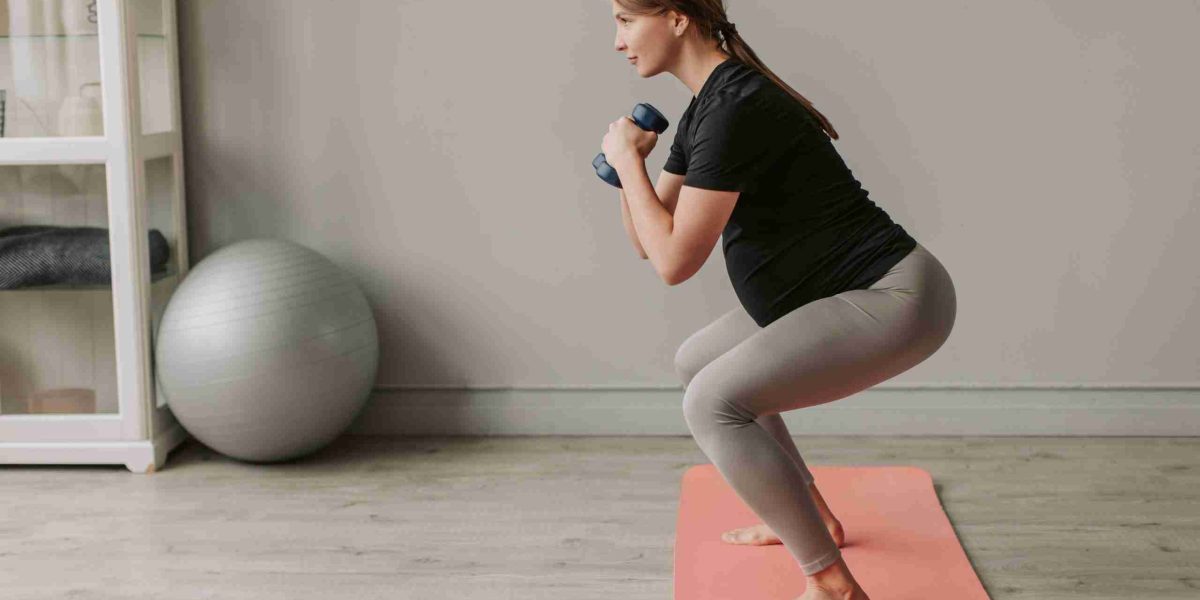
Exercising during pregnancy is safe and beneficial for most women, and it supports a healthier pregnancy, an easier labor, and a faster recovery. The American College of Obstetricians and Gynecologists recommends that pregnant women without complications get at least 150 minutes of moderate-intensity activity each week, such as brisk walking or swimming. Regular movement strengthens the body, eases common discomforts, steadies mood, and prepares you for the demands of motherhood. Before you begin, always confirm your plan with your healthcare provider.
Pregnancy is one of the most transformative times in a woman’s life, and it brings physical, emotional, and mental changes all at once. Staying active is one of the most effective ways to navigate those changes well. Despite lingering myths, exercise does not harm a healthy pregnancy, and inactivity carries its own risks. This guide covers the real benefits, the myths worth ignoring, how much to do, which activities are safe, which to avoid, and the warning signs that mean stop.
How Much Exercise Should You Get During Pregnancy?
For a healthy pregnancy without complications, ACOG recommends at least 150 minutes of moderate-intensity aerobic activity per week. You can split that into thirty-minute sessions on five days, or into shorter ten-minute bouts spread across the day. If you are new to exercise, start slowly and build up gradually.
Moderate intensity is easy to gauge with the Talk Test. You should be moving enough to raise your heart rate and break a light sweat, yet still able to hold a conversation. If you can sing, work a little harder. If you cannot talk, ease back. This method has replaced the old fixed heart-rate limits, because heart rate naturally rises during pregnancy.
4 Benefits of Exercising During Pregnancy
1. Stronger Physical Health
Pregnancy places steady strain on the body as it supports a growing baby. Regular exercise helps manage that load by strengthening muscles, improving cardiovascular fitness, and building endurance.
It also supports healthy weight gain. Gaining weight in pregnancy is natural and necessary, but gaining too much raises the risk of complications such as gestational diabetes and high blood pressure. Consistent activity helps regulate weight gain and appetite. Exercise improves sleep as well, helping to counter the hormonal shifts and physical discomfort that often disrupt rest.
2. Relief From Common Discomforts
Physical activity eases many of the aches that come with pregnancy. As the belly grows, the lower back carries extra load, which often leads to pain. Movements that strengthen the back and abdominal muscles, such as prenatal yoga, cat-cow stretches, and swimming, help relieve it.
Swelling in the feet and hands from fluid retention is also common. Low-impact activity like walking improves circulation, which helps reduce that swelling.
3. Better Mental Health
Pregnancy can feel like an emotional rollercoaster as hormones fluctuate. Exercise is a powerful stabilizer. It releases endorphins, the body’s natural mood boosters, which help reduce stress and anxiety. Staying active also supports a healthier body image, giving many women a renewed sense of control and confidence as their bodies change.
4. Faster Postpartum Recovery
Staying fit through pregnancy lays the groundwork for recovery after birth. A conditioned body tends to heal more efficiently, and consistent activity improves stamina, reduces postpartum fatigue, and helps new mothers meet the demands of caring for a newborn.
Common Myths About Exercising During Pregnancy
Myth 1: Exercise can harm the baby. For most pregnancies, this is false. Research consistently shows that moderate exercise is safe, and staying active can actually lower the risk of complications like gestational diabetes and preeclampsia.
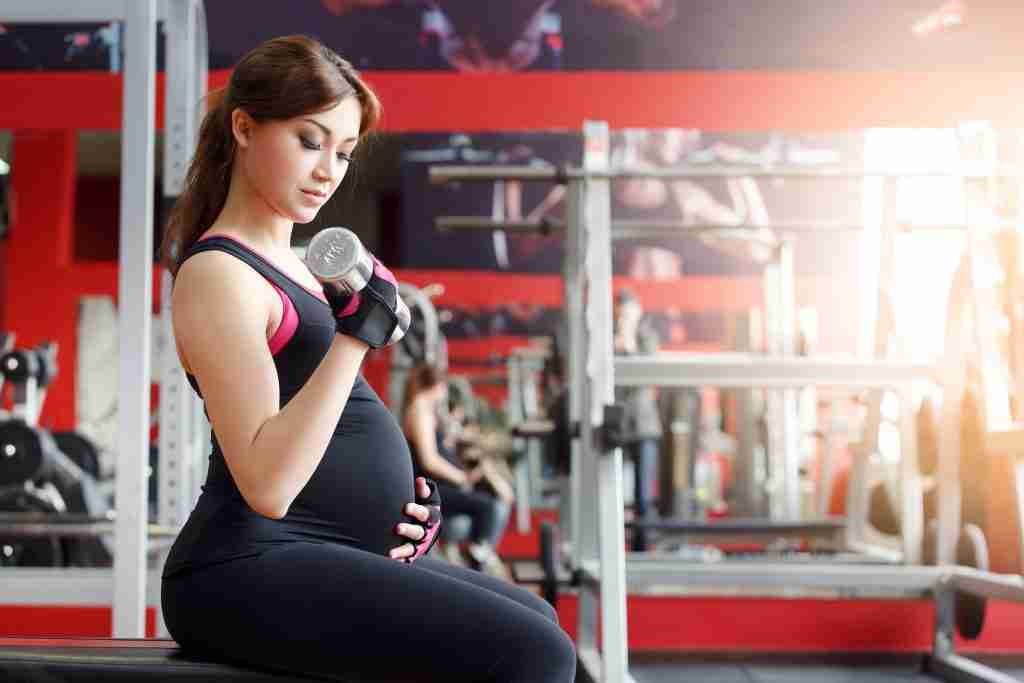
Myth 2: You should avoid all strength training. Light to moderate strength training is beneficial and encouraged. It builds and maintains the muscle that supports the added weight of pregnancy. Heavy maximal lifting and straining while holding your breath are what to avoid, not resistance training itself.
Myth 3: You should rest as much as possible. Rest matters, but too much inactivity leads to muscle weakness, poor circulation, and excess weight gain. A balance of movement and recovery serves you and your baby best.
Safe Ways to Exercise During Pregnancy
Consult Your Healthcare Provider First
Always talk with your provider before starting or continuing a routine, especially if you have a high-risk pregnancy or any medical condition. Some situations, including certain heart or lung conditions, cervical insufficiency, persistent bleeding, or preeclampsia, may mean exercise is not advised. Your provider gives you the clearance and limits that fit your pregnancy.
Choose Pregnancy-Safe Exercises
Favor low-impact activities that are gentle on the joints and carry little risk of falling. Reliable options include:
- Walking: A simple, effective way to stay active without overexertion.
- Swimming and water workouts: A full-body option that supports the belly and relieves joint pressure.
- Prenatal yoga: Improves flexibility, posture, and relaxation.
- Stationary cycling: Safe cardio with minimal fall risk.
- Light strength training: Maintains muscle and supports posture when done with proper form.
Stay Hydrated and Listen to Your Body
Dehydration and overheating can be dangerous during pregnancy. Drink water before, during, and after activity, dress in breathable layers, and avoid exercising in extreme heat. Stop if you feel unwell.
Protect Your Form and Posture
As your belly grows, your center of gravity shifts, which raises the risk of falls and strain. Focus on controlled movement and good posture. After the first trimester, avoid exercises that keep you lying flat on your back for long periods, since that position can reduce blood flow.
Exercises and Activities to Avoid
Some activities carry too much risk during pregnancy. ACOG advises steering clear of the following:
- Contact sports such as soccer, basketball, and hockey, which risk trauma.
- Activities with a high chance of falling, including horseback riding, skiing, surfing, and gymnastics.
- Scuba diving, which is unsafe for the developing baby.
- Exercise at high altitude above 6,000 feet unless you already live there.
- Heavy lifting to exhaustion and any movement that requires holding your breath and straining.
Warning Signs to Stop Exercising
Stop your workout and contact your healthcare provider if you notice any of these while active:
- Vaginal bleeding or fluid leaking
- Regular painful contractions
- Chest pain, dizziness, or feeling faint
- Shortness of breath before you start exerting
- Headache, calf pain or swelling, or muscle weakness
These signs are not reasons to fear exercise. They are simple cues to pause and check in with your provider.
Why Work With a Certified Personal Trainer
A certified trainer experienced in prenatal fitness makes a safe, effective routine far easier to maintain. The value is real:
- Personalized programming: Your plan is matched to your fitness level, your stage of pregnancy, and your needs, targeting the core and pelvic floor without overloading your body.
- Proper technique: Pregnancy changes your posture, balance, and range of motion. A trainer gives real-time feedback to protect your back, joints, and ligaments.
- Accountability: Fatigue and discomfort can make consistency hard. A trainer keeps you encouraged and on track.
- Safety monitoring: A prenatal-experienced trainer knows how to modify movements and adjust your routine to how you feel, keeping you within safe limits while still progressing.
Train Safely at Fitness Factory KC
Exercising through pregnancy is one of the best things you can do for your health and your baby’s development. The right guidance makes it safer and simpler. The certified coaches at Fitness Factory KC in Overland Park, KS work with women through every stage of life, building safe, personalized programs that respect your body and your goals.
Visit us at 10550 West 103rd St, Overland Park, KS 66214, or call (913) 395-9015 to book a tour or ask about prenatal-friendly training. Every pregnancy is unique, so always consult your healthcare provider to tailor a plan that suits you.
Frequently Asked Questions
Is it safe to exercise during pregnancy?
Yes, for most women without complications, exercise is safe and recommended. ACOG advises at least 150 minutes of moderate activity per week, since it lowers the risk of gestational diabetes and preeclampsia and eases recovery. Always confirm your plan with your healthcare provider first.
How much should a pregnant woman exercise?
Aim for at least 150 minutes of moderate-intensity activity per week, such as thirty minutes on five days. If you are new to exercise, start slowly and build up. Use the Talk Test to gauge intensity: you should be able to talk but not sing.
What exercises should you avoid during pregnancy?
Avoid contact sports, activities with a high fall risk like skiing and horseback riding, scuba diving, high-altitude exercise, and heavy lifting to exhaustion. After the first trimester, also avoid lying flat on your back for extended periods, since it can reduce blood flow.
Can I start exercising during pregnancy if I was not active before?
Yes, with your provider’s approval. Begin gently with walking or swimming, keep sessions short, and increase gradually toward 150 minutes per week. A certified prenatal trainer can help you start safely and build good form from the beginning.
Is strength training safe during pregnancy?
Light to moderate strength training is safe and beneficial for most women. It maintains the muscle that supports your changing body and posture. Avoid heavy maximal lifts and holding your breath while straining, and focus on controlled form.
When should I stop exercising and call my doctor?
Stop and contact your provider if you experience vaginal bleeding, fluid leakage, painful contractions, chest pain, dizziness, shortness of breath before exertion, headache, or calf pain and swelling. These are cues to pause and get checked, not reasons to avoid exercise altogether.